
How it all started...
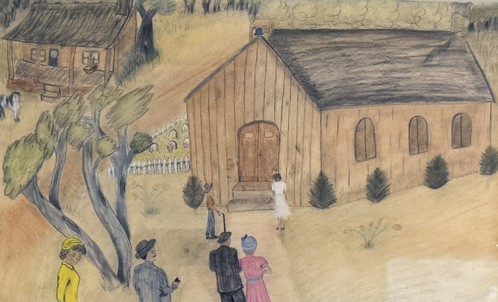
Mount Moriah Missionary Baptist Church, Inc. was founded in 1892 by its first pastor, Reverend Stephany Milligan; who was also the pastor of Union Baptist Church (the mother church of Mount Moriah).
The first church was built on a parcel of land that belonged to Mr. J.P. Clark. The log structure was situated near a pond just off the main road between what is now Northwoods Mall and Ashley Phosphate Road. The church’s original name was ‘Mount Maria’ and was built with the lumber gathered from clearing the land loaned to the church.
The original church was destroyed by fire. In 1902, Mr. Wallace Williams deeded to Neptin Stewart, John Williams and Ceaser Green a half – acre tract of land for the sum of ten dollars ($10).
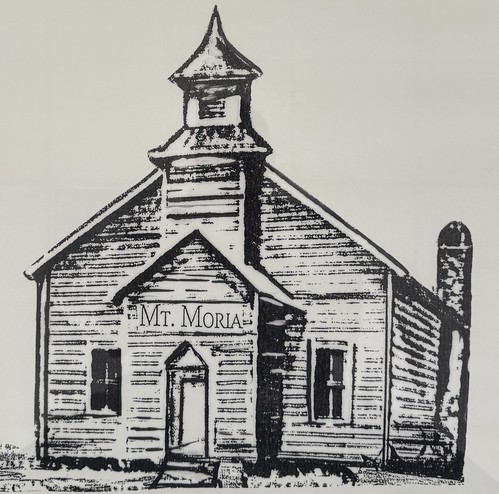
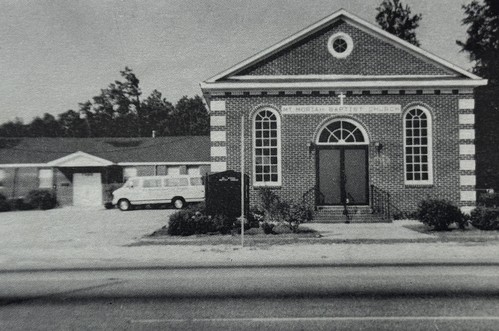
The E. L. Jackson Fellowship Hall sits on that parcel of land today. The original church’s name was retained and reflected on the deed. The church received its current name from Sister Rachel Smith (great grandmother of our own Brother Walter Smith, Jr. and Sister Dora Smith).
Mount Moriah Artifacts
The Pulpit Bible
These Bibles were called Pulpit Bibles because it had a special place on the rostrum or in the Pulpit. Scriptures were taken from these giant sized Bibles.
Pastor or another anointed preachers used these Bibles as the foundation of their messages.
The Bible has been and will always be the means by which we receive God’s love and instruction.
The Bibles displayed here were used by Mt. Moriah’s earliest Pastors as men of God. It was from these sacred books that members of our Church during the late 19th and 20th centuries learned about the Love of God and His plan for our Salvation.
These Bibles were called Pulpit Bibles because it had a special place on the rostrum or in the Pulpit. Scriptures were taken from these giant sized Bibles.
Pastor or another anointed preachers used these Bibles as the foundation of their messages.
The Bible has been and will always be the means by which we receive God’s love and instruction.
The Bibles displayed here were used by Mt. Moriah’s earliest Pastors as men of God. It was from these sacred books that members of our Church during the late 19th and 20th centuries learned about the Love of God and His plan for our Salvation.
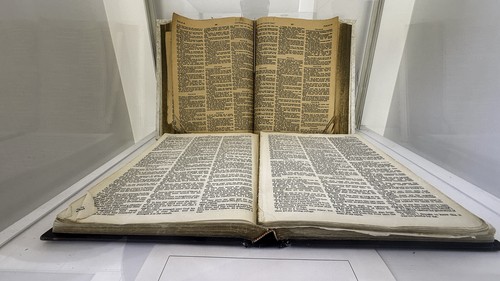
In the early Church the Bible remained on the rostrum or pulpit. Today the Bible is brought to the rostrum by the speaker. This procedure is used by most Baptist Churches. The Pastors of our Church in the past as well as today spent a great deal of time in prayer and preparation for the sermon that is delivered. Those who preach God’s word from the pulpit believe that God is guiding every word that they speak. The minister’s words are based on the Bible and the Bible provides direction to the speakers and hearers of His word....The BIBLE
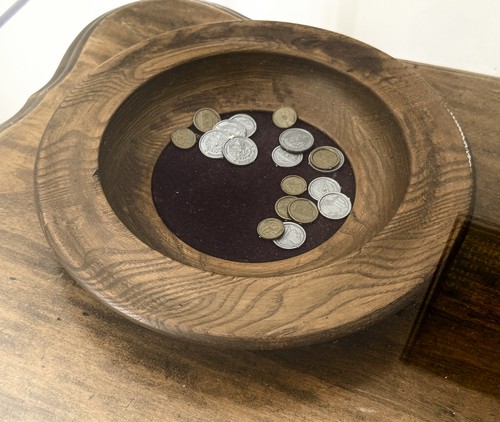
The Collection Plate
Our members had very little money to give during the early days of Church.
Keep in mind that Mt. Moriah was founded in 1892.
As instrumentalists play or a soloist sings, as Deacons file slowly down the aisles, congregants give money as an act of worship and to support the overall ministry of the church. If people don’t give, God’s work cannot be realized. Such works as maintaining our buildings, ministries, feeding the poor, our Christian education programs, and all of the rest would not be possible.
After the Civil War, the idea of “the tithe” as God’s minimum standard was encouraged. Pastors exhorted believers to bring their tithes and offerings into the “storehouse” (Malachi 3:10)—the local church—as an act of worship and commitment to God.
Our members had very little money to give during the early days of Church.
Keep in mind that Mt. Moriah was founded in 1892.
As instrumentalists play or a soloist sings, as Deacons file slowly down the aisles, congregants give money as an act of worship and to support the overall ministry of the church. If people don’t give, God’s work cannot be realized. Such works as maintaining our buildings, ministries, feeding the poor, our Christian education programs, and all of the rest would not be possible.
After the Civil War, the idea of “the tithe” as God’s minimum standard was encouraged. Pastors exhorted believers to bring their tithes and offerings into the “storehouse” (Malachi 3:10)—the local church—as an act of worship and commitment to God.
The Church Bell
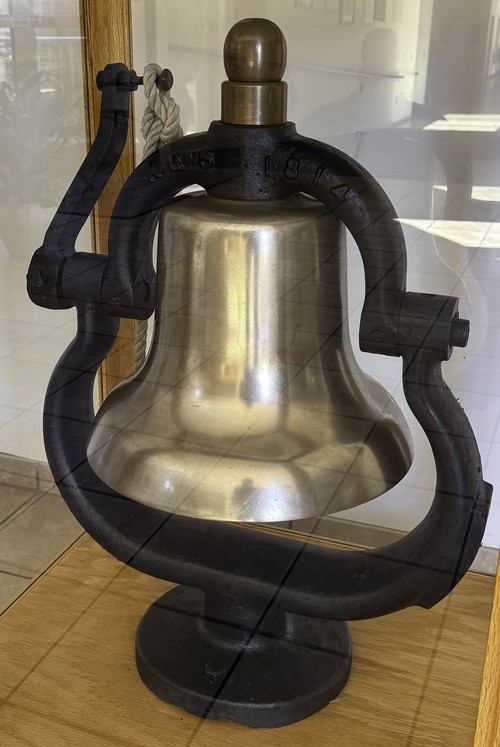
This Bell was received by the late Deacon Edward Wilson in 1948. It was a donation from the Southern Railroad Company. The church pastor at this time was Reverend John T. Thomas.The Bell was dedicated on the third Sunday of November 1948 and placed in the church steeple. It was rang by Deacon Edward Wilson to signal the beginning of Church services, Sunday School, and for funerals.
The church was remodeled, and steeple and bell were removed on September 29, 1976. This bell brings many memories and is a historic part of our church.
Members came from miles around at the sound of Mt. Moriah’s Big Bell. North Charleston was a rural area of Charleston County. In fact, there was a dirt road that led Mt. Moriah members from their homes directly to the “little Church in the woods.” Getting to Church on time was very difficult. But members were not discouraged; when the bell tolled, off they went to Sunday School and special programs during the week and, of course, Church Services on the weekends.
The tradition of ringing Church bells dates back to AD 400, when Paulinus of Nola first introduced bells in association with the Church. While the public use of bells dates back to the Middle Ages, the first recorded use of the Church bell is often attributed to Paulinus, the Bishop of Nola in Campania, Italy, around the 5th century.
Historical writings document the appearance of the Church bell throughout Europe over the course of the next several centuries. The primary purpose of ringing Church bells today is to signify the time for worshippers to gather for a church service.
In later centuries, bells were rung on Christmas Eve to welcome Christmas with a “joyful noise” (Psalm 95:1; 98:4). Of course, bells are sometimes used as musical instruments in their own right, and Mt. Moriah has held Church services featuring the music of bell choirs.
For many Christians, the ringing of the Church bell from a church tower is certainly a “joyful noise,” reminding them of God’s presence in the world.
In later centuries, bells were rung on Christmas Eve to welcome Christmas with a “joyful noise” (Psalm 95:1; 98:4). Of course, bells are sometimes used as musical instruments in their own right, and Mt. Moriah has held Church services featuring the music of bell choirs.
For many Christians, the ringing of the Church bell from a church tower is certainly a “joyful noise,” reminding them of God’s presence in the world.